
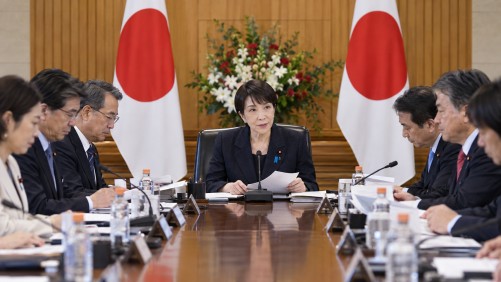
The reshuffling of Japan’s Cabinet under Prime Minister Sanae Takaichi signals a potential shift in the country’s governance, with emphasis placed on ministerial preferences over traditional party faction influences. This development could lead to more focused policy implementation, as ministers are now positioned in roles aligning with their expressed interests and expertise.
Announced on September 17, the Cabinet reshuffle saw Prime Minister Takaichi personally reviewing feedback from Liberal Democratic Party (LDP) lawmakers regarding their desired government roles. This approach diverges from the customary practice where LDP factions heavily influenced appointments. The reshuffle keeps key figures such as Chief Cabinet Secretary Minoru Kihara and Finance Minister Satsuki Katayama in their positions, while introducing Hiroshi Nakatsuka of the junior coalition partner Nippon Ishin as the party’s first Cabinet minister.
New appointments include Hisayuki Fujii as internal affairs minister and Goshi Hosono as reconstruction minister, the latter also tasked with disaster management responsibilities and preparing for a prospective Disaster Management Agency. Their roles reflect Prime Minister Takaichi’s commitment to aligning ministerial duties with the individuals’ policy priorities as discussed during their submissions.
However, the reshuffle has not been without controversy. The appointment of Kazuo Yana and Yoshihiro Seki as agriculture and education ministers, respectively, has drawn criticism due to their past involvement in the LDP’s political funding scandal. Opposition parties have demanded further clarification on these appointments, underscoring ongoing concerns about transparency and accountability within the government.
This strategic realignment comes as the new Cabinet faces several legislative priorities, including a proposed temporary reduction in the consumption tax on food and deliberations on a bill concerning the number of Lower House seats. The reshuffle’s focus on ministerial preferences over factional influences may impact how effectively these initiatives are addressed moving forward.