
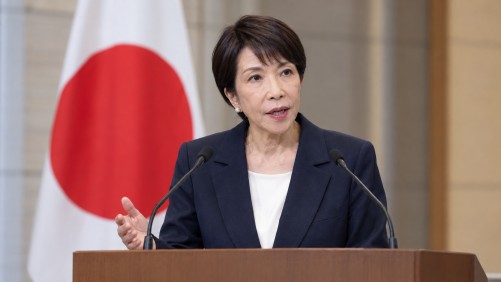
Japanese Prime Minister Sanae Takaichi has dismissed the characterization of her economic strategies as “reflationary,” asserting instead a focus on stimulating domestic investment to bolster Japan’s long-term economic growth. During a House of Representatives session, Takaichi emphasized that Japan no longer requires the aggressive monetary easing and fiscal stimulus associated with reflationary policies aimed at combating deflation.
Takaichi outlined her government’s goals of enhancing domestic investment to elevate Japan’s potential growth rate, create higher-quality jobs, increase incomes, and improve consumer confidence. These efforts are also expected to strengthen corporate earnings and potentially lead to a natural rise in tax revenue. Her statements come at a time of market concerns over Japan’s fiscal position, which have pressured the yen and increased government bond yields.
The Prime Minister’s approach has garnered attention from investors worried about government spending and the country’s financial future. Her policies mark a departure from the economic program of former Prime Minister Shinzo Abe, despite her past association with his economic philosophy. U.S. Treasury Secretary Scott Bessent has previously encouraged Japan to move away from such reflationary policies.
Meanwhile, the Bank of Japan has shifted its stance from prolonged monetary easing to a cycle of interest-rate hikes, with the policy rate now at 1.25%, the highest in nearly three decades. Bank of Japan Governor Kazuo Ueda has indicated that the central bank is now focused on maintaining inflation around its 2% target, rather than merely striving to raise inflation from low levels.
Takaichi’s focus on investment-led growth highlights Japan’s efforts to navigate economic challenges, currency fluctuations, and evolving monetary policy. Her stance reflects a strategic shift aimed at sustaining economic stability and fostering a more robust domestic economy.