
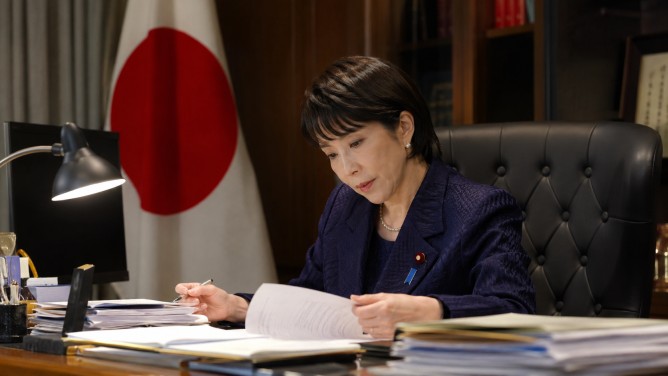
Japanese Prime Minister Sanae Takaichi has recently sparked public discussion after disclosing her intense work routine, which involves getting as little as zero to three hours of sleep each night since she assumed office in October. In a social media update, Takaichi noted that she recently managed a rare five-hour sleep, a significant departure from her usual schedule. Her nights are typically consumed with reviewing government documents and preparing for parliamentary activities.
In addition to her professional commitments, Takaichi also dedicates her personal time to household duties such as cooking, cleaning, and laundry. This revelation has ignited debate over her approach to leadership, with opposition figures suggesting that the prime minister should better delegate tasks and prioritize rest to maintain effective decision-making capabilities.
Takaichi has been vocal about her dedication to a strong work ethic, underscoring her intent to concentrate fully on her governmental duties. This stance has attracted attention, especially given her previous advocacy for relaxing work-hour regulations in Japan. Her remarks have prompted further examination of the broader issues surrounding work culture, leadership dynamics, and the work-life balance within Japanese political circles.
The discourse around Takaichi’s sleeping habits and work ethic has opened a dialogue about the expectations placed on political leaders in Japan. Critics argue that sufficient rest is essential for the sound judgment required in leadership, while supporters may view her commitment as a testament to her dedication to her role. This situation highlights ongoing discussions about how work and personal time should be balanced to ensure effective governance.