
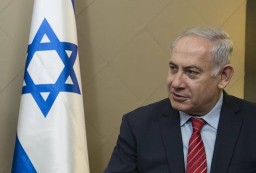
Israeli Prime Minister Benjamin Netanyahu offered reporters a dual message on Friday: a military assessment declaring Iran’s missile and nuclear capabilities destroyed, and a geopolitical vision for new energy infrastructure to replace Hormuz-dependent routes. He denied that Israel had forced the United States into the war and expressed confidence that the conflict was heading toward a swift conclusion. Netanyahu’s press conference blended battlefield reporting with long-range strategic planning.
The prime minister was expansive on the nature of the Trump-Israel relationship, calling it the most closely coordinated alliance between two world leaders in recent memory. He was careful to position Trump as the alliance’s driving force, describing himself as a willing and committed ally. Netanyahu revealed that Trump had independently explained the Iranian nuclear threat to him, suggesting both leaders arrived at their strategic positions through their own deeply informed analysis.
Netanyahu confirmed that Israel acted alone in striking the South Pars gas complex, one of Iran’s most critical energy installations. He also disclosed Trump’s request to pause further attacks on Iranian gas infrastructure, presenting it as an element of a healthy and transparent alliance relationship. Netanyahu maintained that Israel’s independent military judgment remained fully operational.
On the Hormuz issue, Netanyahu was dismissive. He labeled Iran’s threat of closure an act of global blackmail and said it would not work. He proposed pipeline routes from the Arabian Peninsula to Israeli and Mediterranean ports, arguing that this infrastructure was both an immediate solution and a lasting contribution to global energy security.
Netanyahu’s analysis of Iran’s internal situation highlighted significant signs of leadership breakdown. The new supreme leader had not been seen publicly, and Netanyahu admitted genuine uncertainty about who was running the country. He observed competitive tensions among those vying for top positions in Tehran and concluded that this instability, combined with military losses, was pushing the war toward a faster-than-expected resolution.