
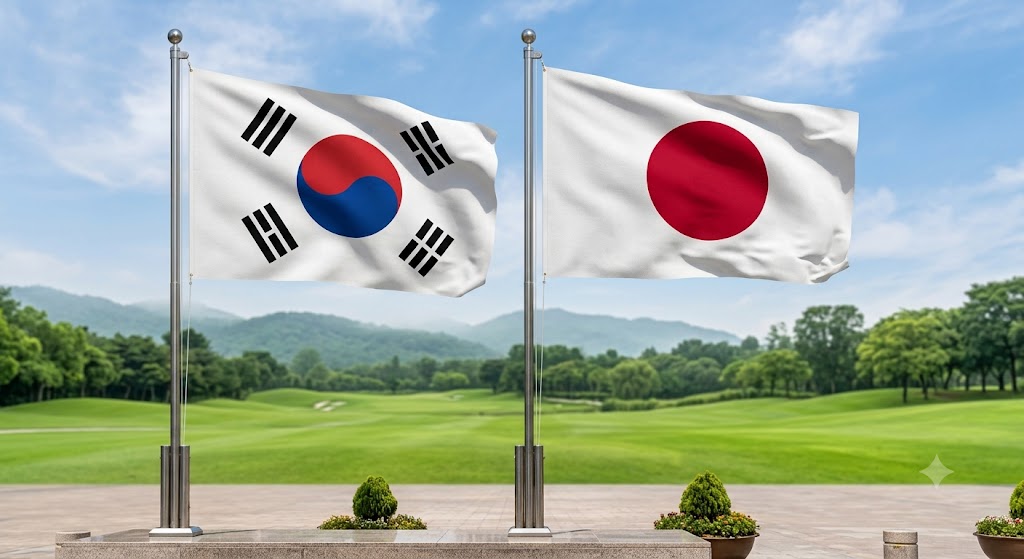
In a significant development for regional security, South Korea and Japan have reiterated their commitment to achieving the denuclearization of the Korean Peninsula, alongside a pledge to enhance their security cooperation. The decision comes amidst escalating tensions in the region, underscoring the need for stronger defense ties. During recent defense talks held in Seoul, South Korea’s Defense Minister Ahn Gyu-back and his Japanese counterpart, Defense Minister Shinjiro Koizumi, emphasized their shared goal of promoting peace and stability through closer bilateral collaboration and partnerships with the United States.
Both nations have agreed to reinstate joint search-and-rescue exercises and to bolster military exchanges, including collaborative efforts between their respective air forces’ aerobatic teams. This agreement marks a significant step forward in improving defense relations between the two countries, which have been historically fraught with tension. The renewed focus on cooperation is particularly timely as North Korea continues to advance its nuclear capabilities and strengthen ties with Russia, prompting both South Korea and Japan to seek deeper security alliances.
Beyond immediate military concerns, South Korea and Japan have also explored potential collaboration in cutting-edge areas such as artificial intelligence and unmanned systems. Discussions have included the prospect of conducting joint military exercises, which would further solidify their strategic partnership. Despite these promising developments, both countries are keenly aware of the challenges posed by unresolved historical disputes. Issues stemming from Japan’s colonial rule over the Korean Peninsula, including wartime grievances and territorial claims, continue to cast a shadow over bilateral relations.
Nevertheless, both governments have shown a willingness to engage in dialogue and pursue strategic cooperation despite these lingering tensions. The recent defense talks are indicative of a mutual understanding that regional security and stability are of paramount importance, necessitating collaboration even amidst historical animosities. As South Korea and Japan navigate these complex dynamics, their concerted efforts to enhance security ties could play a crucial role in shaping the future of peace and stability in the region.