
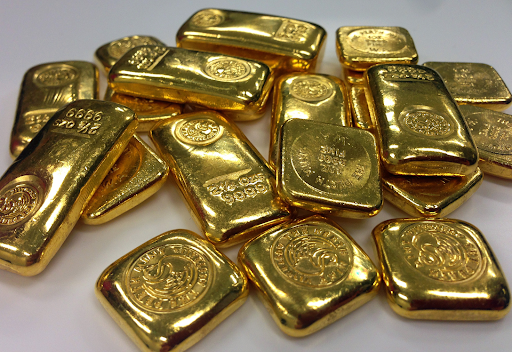
The political landscape in the United States has become increasingly unpredictable, and this volatility is having a direct impact on German economic policy. With €164 billion in gold reserves currently stored in New York, German leaders are facing growing pressure to bring that wealth home. The movement is a clear response to the feeling that the U.S. is no longer the stable partner it once was.
Germany’s gold holdings, worth nearly €450 billion, are a vital pillar of national stability. But with 1,236 tonnes in the U.S., a significant portion of that stability is tied to the actions of the American government. Critics argue that in an era of “America First” and political polarization, this dependency has become an unacceptable risk to Germany’s future.
Emanuel Mönch has consistently warned that political instability is the greatest threat to Germany’s overseas assets. He argues that treaties and legal agreements are only as good as the political will behind them. According to Mönch, the only way to insulate Germany from the chaos of U.S. politics is to physically relocate the gold to the safety of domestic vaults.
This sentiment is shared by many in the German public who feel that their country is being pulled into American political drama. They want to see a “de-coupling” of German wealth from U.S. instability. This has made the gold repatriation issue a major point of discussion in the media and in political circles across the country.
The German government is trying to balance these concerns with its desire to maintain a strong relationship with Washington. Officials insist that the U.S. remains a reliable custodian and that the gold is safe. However, they are also finding it harder to ignore the argument that in a world of growing uncertainty, physical possession is the only true form of security.