
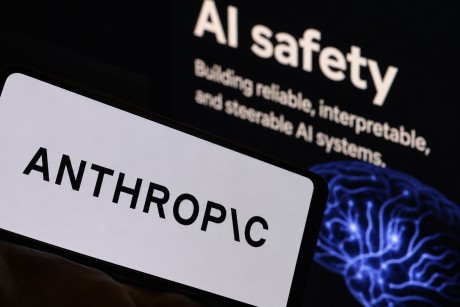
Anthropic has committed an additional $20 million to Public First Action, a bipartisan group advocating for transparency, safety, and public education in artificial intelligence, raising the company’s total donation to $40 million. This increased financial backing comes in response to heightened concerns regarding the swift progression of AI technologies, including Anthropic’s own Claude Mythos model, and the potential risks posed by their misuse.
The AI firm clarified that the funds are designated exclusively for initiatives related to public education and AI policy, explicitly prohibiting their use in supporting political candidates. This announcement coincides with the ongoing debate in the United States about the regulation of advanced AI systems. Anthropic has underscored the need for more robust safeguards, warning that highly capable AI models could threaten critical infrastructure, such as hospitals, power grids, and financial systems, if not properly secured.
In conjunction with the funding news, Anthropic has rolled out the Claude Mythos Preview, its latest AI model focusing on cybersecurity, which is being piloted by selected users in government, technology, and financial sectors. The company is advocating for more stringent oversight of potent AI systems, proposing measures like mandatory independent testing and enhanced governmental authority to restrict the release of models that do not meet safety criteria. CEO Dario Amodei has also pushed for tighter export controls on advanced AI chips to prevent foreign entities from emulating leading U.S. technologies.
However, the call for increased regulation has met with resistance from some competitors who argue that such measures could stifle innovation and impede the United States’ competitive edge in the global AI landscape, especially against nations like China. Despite these concerns, Anthropic continues to emphasize the importance of regulation in ensuring the safe development and deployment of AI systems.
This funding announcement arrives as the United States approaches its midterm elections, with artificial intelligence emerging as a significant topic in policy discussions and national security considerations.