
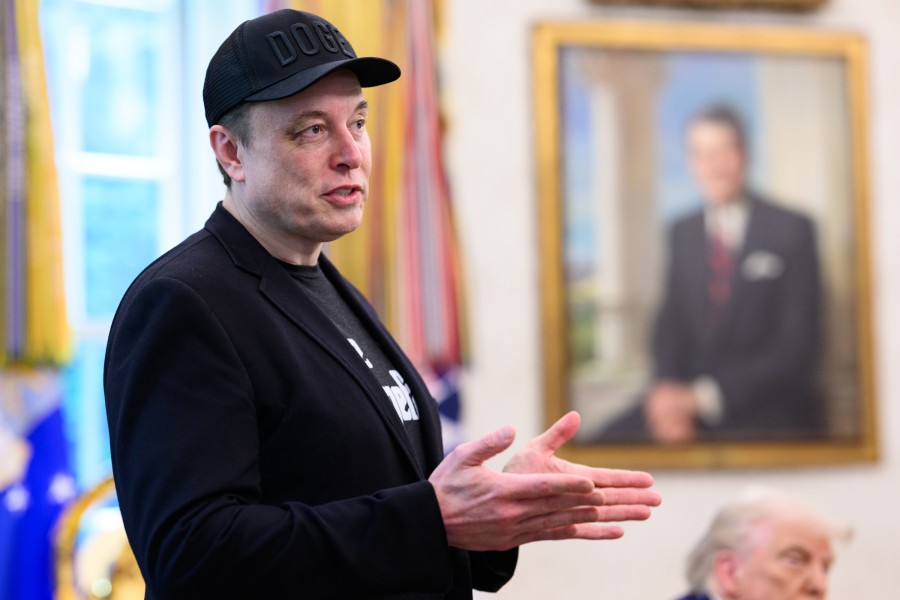
Elon Musk has recently seen a downturn in his financial standing as his net worth has slipped below the historic $1 trillion mark. This change is attributed to a decline in the stock values of his companies, Tesla and SpaceX. Despite this dip, Musk continues to hold the title of the world’s wealthiest individual, with his fortune primarily tied to the performance of these major enterprises.
Musk initially achieved the status of the world’s first trillionaire following SpaceX’s remarkable debut on the stock market, which significantly boosted the value of his holdings. The company’s impressive market performance had previously propelled his wealth to exceed the trillion-dollar threshold, a milestone heavily linked to his substantial business interests.
However, a broader decline in the technology market has recently impacted several major companies, including those associated with the artificial intelligence sector. Factors such as concerns over interest rates, market volatility, and potential slowdowns in AI investments have contributed to the drop in share prices, affecting Musk’s overall wealth.
Given that the majority of Musk’s wealth is connected to stock and equity holdings, fluctuations in market values can swiftly alter his estimated net worth. A rebound in the share prices of Tesla or SpaceX could potentially restore his fortune to the trillion-dollar level. Nevertheless, Musk maintains a significant lead over other billionaires, with his financial status still largely driven by the success and future potential of his companies.