
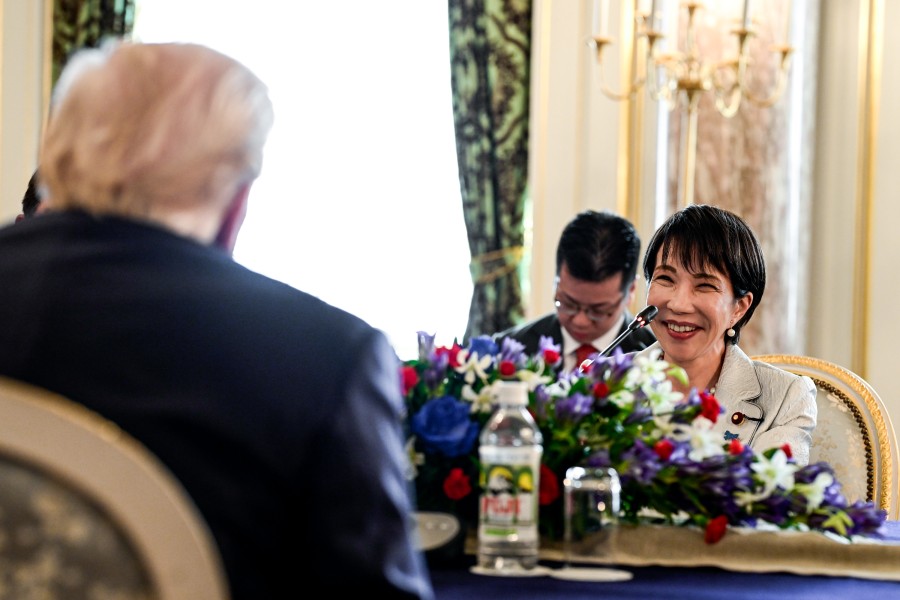
In her inaugural appearance at the G7 summit, Japanese Prime Minister Sanae Takaichi focused on enhancing Japan’s standing as a reliable and stable ally. Her approach emphasized the country’s diplomatic efforts and the pursuit of key national interests through international collaboration. Rather than seeking the spotlight, Japan concentrated on fostering consensus and supporting collective actions to address significant global concerns. These included the ongoing conflicts in Ukraine and the Middle East, as well as issues related to Indo-Pacific security, supply chain resilience, and access to critical mineral resources.
Throughout the summit, Japanese representatives underscored the intertwined nature of developments in Europe and the security challenges faced in Asia. They highlighted particular concerns regarding regional stability and maritime security. The joint statements issued at the summit echoed Japan’s priorities, showing support for Ukraine, advocating for stronger economic security measures, and committing to the maintenance of a free and open Indo-Pacific region.
On the sidelines of the summit, Prime Minister Takaichi engaged in bilateral discussions with leaders from the United Kingdom and Italy. These meetings placed a spotlight on enhancing cooperation in defense and advancing next-generation technology projects, further underlining Japan’s commitment to fostering strategic partnerships.
Observers noted that Japan’s influence at the G7 was primarily exercised through subtle diplomacy and coalition-building efforts, rather than taking a prominent leadership role. This approach aligns with Japan’s consistent and pragmatic strategy, reinforcing its position as a trusted partner within the G7, especially amid a landscape of growing geopolitical uncertainty.